Tripod, Handheld or Locked-Off: Three Camera Positions, Three Effects
Tripod, handheld or locked-off shots shape where viewers look. Choose a camera approach that makes a scene’s changing focus clear without distracting motion.
Tripod, handheld or locked-off camera choices change where viewers look and how close a scene feels. A tripod can guide attention with a measured pan; a locked-off frame holds its boundaries steady; handheld movement can follow a character’s shifting viewpoint.
The useful question is not which setup looks most polished. Ask what the audience should notice, and whether the camera should respond as that focus changes. A stable moving shot, a camera carried by an operator and a deliberately fixed frame each answer differently.
What can a tripod shot do?
A tripod supports the camera while leaving the crew free to pan or tilt. The frame can follow a person crossing a room, turn towards a sound or settle on an object. Because the movement is controlled, viewers can follow the change in framing without the image itself seeming unsettled.
This helps when attention needs a clear route. A slow pan might reveal someone entering behind a conversation; a measured tilt can move from a character’s hands to their expression. The audience is guided towards new information without being hurried towards it.
A tripod can also remain completely still. In that case, it is supporting a locked-off shot: the camera holds one composition without panning, tilting or being carried. A fixed frame can make movement within the image more noticeable. A character edging towards the door, or an empty chair between two people, can carry the visual change instead.
Choose a tripod-supported move when the frame has a reason to travel and that travel should feel legible. Choose a fixed tripod position when the composition should stay calm while people or events alter inside it. A tripod does not automatically make a shot detached; framing, duration and action all shape its effect.
When does handheld movement serve a scene?
Handheld shooting places the camera in the operator’s hands, so the frame may shift with their stance and steps. That movement can bring viewers close to a character’s immediate experience: following someone through a crowded doorway feels different from watching them cross the same space from a distant, fixed position.
Handheld can suit action that feels unsettled, personal or difficult to observe from a prepared vantage point. The camera might stay close as a character searches a cluttered desk, or adjust as two people change places during a tense exchange. Small corrections can make the audience feel present in the space rather than looking at a carefully arranged view of it.
Movement is not a shortcut to urgency. If the frame wanders without giving viewers a useful subject or direction, it may compete with the action. Give handheld movement an attentional purpose: stay with the person who matters, let a change in the scene prompt a reframing, and avoid adding motion simply because the camera can move.
Handheld suits a scene when the audience should share a character’s limited, shifting viewpoint, or feel that the camera is physically among the action. It may be less suitable when the scene depends on reading a complex composition or watching subtle gestures from a settled distance.
How do tripod, handheld or locked-off shots direct attention?
Think of the three approaches as different agreements with the viewer. A tripod-supported move says, “Look here now.” Handheld says, “Stay with this changing point of view.” A locked-off frame says, “Watch what changes inside this boundary.” These are prompts rather than fixed rules; the scene’s purpose should decide which one fits.
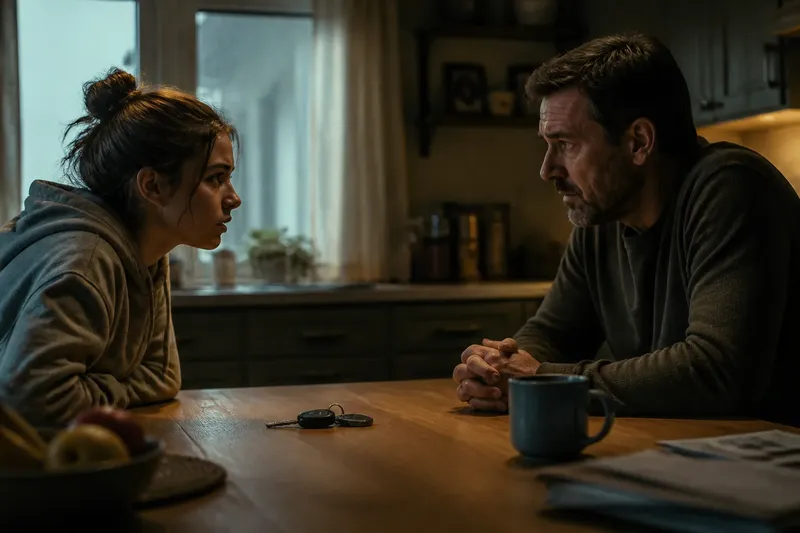
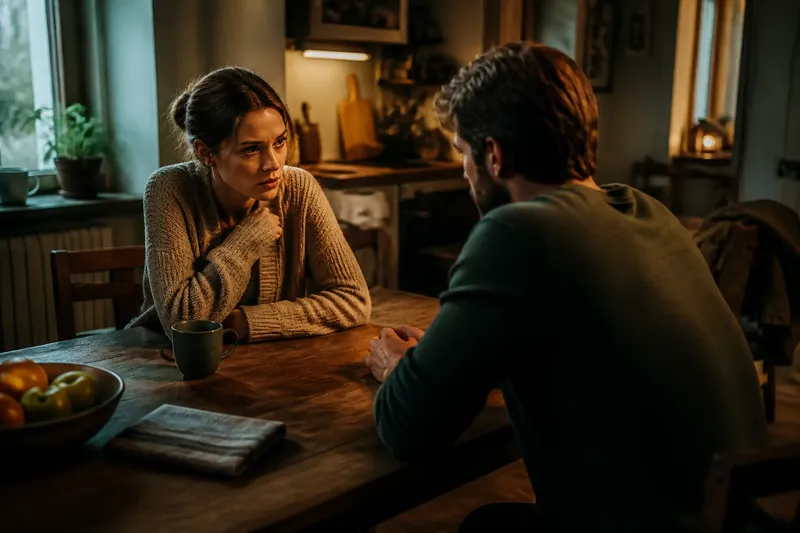
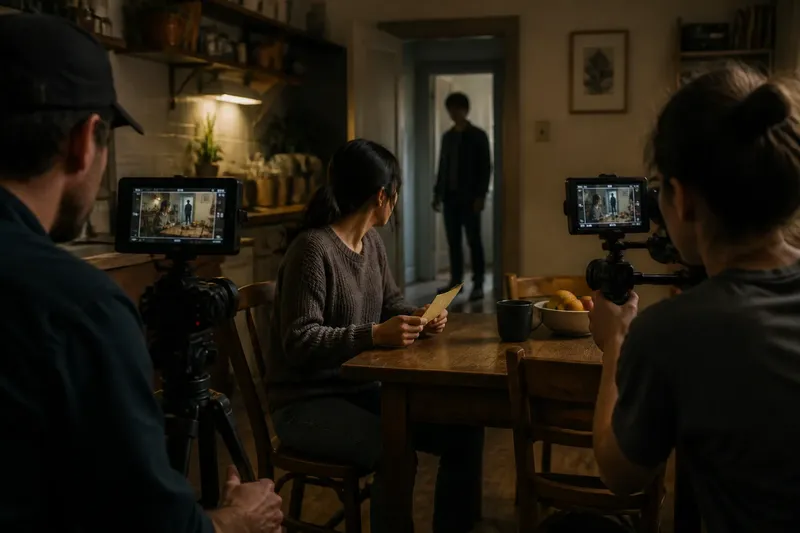
Imagine an invented scene in which a person enters a quiet kitchen, finds a note and hears someone behind them. For the starting setup, place the camera on a tripod facing the table and doorway. First, hold that composition without moving it: the person’s entrance and discovery happen within the frame, while the off-screen sound may lead viewers to search the image. Next, rehearse a tripod pan from the note towards the doorway; the resulting shift in framing makes that direction of attention clear. Finally, rehearse handheld, staying close to the character as they turn; the frame now follows their changing viewpoint. The observable trade-off is what becomes prominent: the fixed composition, the guided reveal or the character’s immediate response. None is inherently better.
- Check the intended point of attention: If it moves to a new place in the scene, plan a pan or tilt; if it stays with the action already framed, hold the camera still.
- Check whether action inside the frame carries the beat: If a gesture or entrance should unfold within a stable composition, lock off; if viewers need help finding it, reframe deliberately.
- Check whose viewpoint matters: If the audience should follow a character’s changing position, try handheld; if their subjective experience is not central, consider a fixed or tripod-supported view.
- Check how much visual calm the moment needs: If subtle expressions need room to register, begin with a still frame; if the scene’s movement matters more, rehearse a motivated camera move.
- Check what prompts each movement: If a person, action or new point of attention gives the camera a reason to move, rehearse that move; if there is no clear prompt, leave the camera still.
- Check whether the frame competes with the action: If movement makes the important subject hard to follow, simplify the handheld path or switch to a stable setup; if the subject remains clear, keep the approach.
Which camera position fits this moment?
Start with the beat of the scene, not the equipment. Describe the change the viewer should notice: a person’s reaction, an arrival, a new object in the frame or a shift in who holds attention. Then ask whether the camera should remain still, guide the eye or travel with a character.
Rehearse the alternatives with a phone or a viewfinder app. Hold the same composition for a locked-off version, follow the key action by hand, then plan a deliberate tripod move. Compare what becomes easy to see in each version. If the camera draws attention to itself before the scene’s important change, reconsider the choice.
Discuss the camera’s role with the director and performers before filming. A fixed frame may let actors shape movement within the composition; a handheld approach may call for room to follow their changing position. These are creative choices to coordinate, not technical promises about a particular performance.
What do filmmakers ask about tripod, handheld and locked-off shots?
Is a locked-off shot the same as a tripod shot?
Not exactly. A tripod is support for the camera, while locked-off describes a frame that does not move during the shot. A tripod can support a pan or tilt, and a camera can be held still without one.
Does handheld always make a scene feel more realistic?
No. Handheld movement can suggest immediacy or instability, but viewers may read it differently depending on framing, performance and context. Use it when the moving viewpoint serves the scene, not as a universal marker of realism.
Can a tripod shot still feel tense?
Yes. A steady frame can make a pause, a withheld reaction or movement at the edge of the composition stand out. Tension can come from what the viewer is waiting to see, not only from camera motion.
How can I decide whether a shot needs to move?
Identify the change in attention the shot should create. If viewers need guidance towards something, consider a controlled move; if they should watch action unfold in a stable space, lock the frame; if they should stay close to a shifting viewpoint, consider handheld.
Let the frame answer to the moment
Tripod, handheld or locked-off shooting offers different ways to direct attention, not a ranking of craft. Match the camera’s behaviour to what changes in the scene, then check whether viewers can follow that change without fighting the frame. When choosing among tripod, handheld or locked-off shots, begin with the viewer’s attention rather than the gear in your kit.